


Harmonizing Kitchen Countertop and Cabinet Design

Creating a beautiful kitchen involves more than just picking the latest appliances or trendy colors. One of the most important design elements is how well your kitchen countertop and cabinet work together. When these two components harmonize, they set the tone for the entire space, making it feel cohesive, stylish, and inviting. This guide will walk you through practical tips and ideas to help you master the art of matching countertops and cabinets for a kitchen that looks professionally designed.
The Importance of Matching Countertops and Cabinets
When designing a kitchen, the relationship between countertops and cabinets is crucial. These two elements occupy a large visual space and influence the room’s overall style. Matching countertops and cabinets doesn’t mean they have to be the same color or material, but they should complement each other to create balance.
For example, if you have dark wood cabinets, a lighter countertop can provide contrast and brighten the space. Conversely, light cabinets paired with a darker countertop can ground the design and add depth. The key is to consider:
Color harmony: Choose colors that either contrast nicely or blend seamlessly.
Material texture: Pair smooth surfaces with textured ones for visual interest.
Style consistency: Match modern cabinets with sleek countertops or rustic cabinets with natural stone.
By thoughtfully combining these factors, you can avoid a disjointed look and instead create a kitchen that feels unified and elegant.

Tips for Matching Countertops and Cabinets
Matching countertops and cabinets can seem overwhelming with so many options available. Here are some actionable recommendations to simplify the process:
1. Start with a Focal Point
Decide which element you want to highlight. If your cabinets have intricate details or a bold color, choose a more neutral countertop. If your countertop has a striking pattern or color, opt for simpler cabinets.
2. Use a Color Wheel
Colors opposite each other on the color wheel create pleasing contrasts. For example, blue cabinets pair well with warm beige or cream countertops. Analogous colors (next to each other on the wheel) create a more subtle, harmonious look.
3. Consider Material Durability
Choose materials that suit your lifestyle. Quartz countertops are durable and low maintenance, perfect for busy kitchens. Wood cabinets can be beautiful but may require more upkeep.
4. Incorporate Accent Colors
Use small accents like cabinet handles, backsplashes, or kitchen accessories to tie the countertop and cabinet colors together.
5. Test Samples Together
Always view countertop and cabinet samples side by side in your kitchen’s lighting before making a final decision. Lighting can dramatically change how colors and textures appear.
By following these tips, you can confidently select combinations that enhance your kitchen’s beauty and functionality.
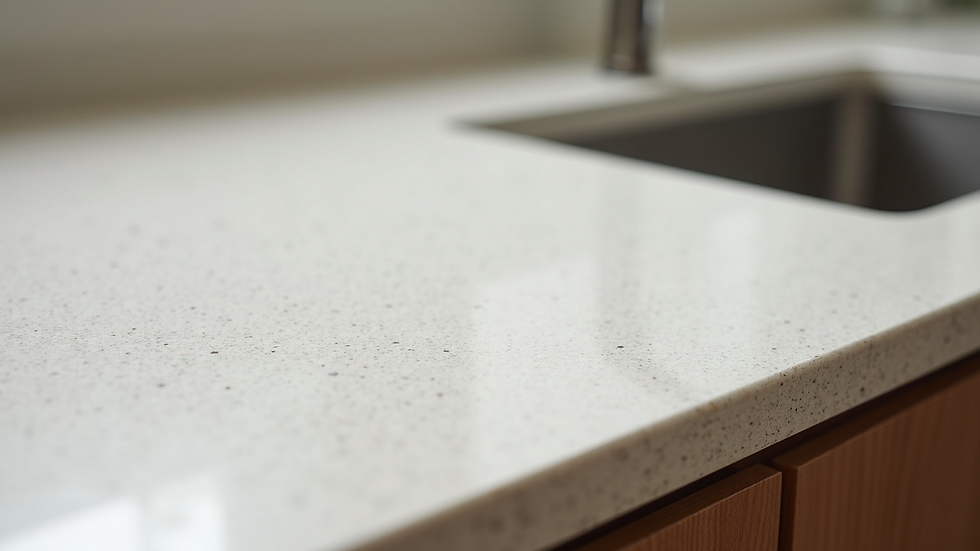
What is a countertop cabinet called?
A countertop cabinet is often referred to as a base cabinet. These cabinets sit directly on the floor and support the countertop above. Base cabinets provide essential storage and serve as the foundation for your kitchen workspace. They come in various sizes and configurations, including drawers, shelves, and pull-out organizers.
Understanding the role of base cabinets helps in planning the countertop size and shape. For example, if you want an overhang for seating, the base cabinet depth and height must accommodate this. Additionally, base cabinets must be sturdy enough to support heavy materials like granite or quartz countertops.
When selecting base cabinets, consider:
Material quality: Solid wood or plywood cabinets last longer than particleboard.
Finish: Choose finishes that complement your countertop and overall kitchen style.
Functionality: Think about storage needs and accessibility.
Properly chosen base cabinets paired with the right countertop create a seamless and practical kitchen design.
Popular Combinations of Kitchen Countertop and Cabinet Materials
Choosing the right materials is key to achieving a harmonious kitchen design. Here are some popular and effective combinations:
1. White Cabinets with Marble Countertops
This classic pairing creates a bright, timeless look. White cabinets reflect light, while marble countertops add elegance with their natural veining.
2. Dark Cabinets with Light Quartz Countertops
Dark cabinets like espresso or navy blue contrast beautifully with light quartz countertops. Quartz is durable and comes in many patterns, making it versatile.
3. Wood Cabinets with Concrete Countertops
For a modern rustic vibe, pair warm wood cabinets with sleek concrete countertops. The contrast between natural wood grain and smooth concrete adds texture.
4. Grey Cabinets with Butcher Block Countertops
Grey cabinets offer a neutral backdrop that pairs well with the warmth of butcher block countertops. This combination is cozy and inviting.
5. Two-Tone Cabinets with Neutral Countertops
Using two cabinet colors (e.g., upper cabinets in white and lower cabinets in navy) with a neutral countertop can add depth and interest without overwhelming the space.
Each combination has its own personality, so choose one that fits your style and kitchen use.

How to Maintain the Harmony Over Time
Once you have matched your countertops and cabinets, maintaining their harmony is essential. Here are some practical maintenance tips:
Regular cleaning: Use appropriate cleaners for your countertop and cabinet materials to avoid damage.
Avoid harsh chemicals: Some cleaners can dull finishes or stain surfaces.
Protect surfaces: Use cutting boards, trivets, and coasters to prevent scratches and heat damage.
Touch up finishes: Repair scratches or chips on cabinets promptly to keep them looking fresh.
Update hardware: Changing cabinet handles or knobs can refresh the look without replacing cabinets.
By caring for your kitchen surfaces, you preserve the beauty and functionality of your design for years to come.
Bringing It All Together
Matching your kitchen countertops and cabinets is a rewarding process that transforms your kitchen into a cohesive and stylish space. Whether you prefer bold contrasts or subtle blends, the key is to consider color, material, and style carefully. Remember to test samples in your kitchen’s lighting and think about durability and maintenance.
For those looking for quality options and expert advice, exploring a trusted source like kitchen countertop and cabinet suppliers can make the selection process easier and more enjoyable.
With thoughtful planning and attention to detail, your kitchen will not only look stunning but also function beautifully for years to come.


Comments